

Experience a burst of sunshine with this incredibly vibrant Better Than Starbucks Lemon Loaf. While many copycat recipes fall short on texture, this version guarantees a moist, tender crumb that stays soft for days, unlike the often-dry slices found at the coffee shop. By using fresh lemon zest and a signature soaking glaze, you can achieve a professional-grade bakery result at home with simple, everyday ingredients.

Jump to:
Why You'll Want to Make this Better Than Starbucks Lemon Loaf
- Superior Moisture: Unlike the often-dry slices found in the display case, this homemade version uses a balanced ratio of fats and acidity to ensure a velvety, tender crumb that stays moist for days.
- Double Citrus Punch: Most commercial loaves rely on artificial flavorings; this recipe uses both fresh lemon zest and real juice for a bright, natural zing that pops in every bite.
- Cost-Effective: You can bake an entire loaf for roughly the price of two slices at a coffee shop, making it a budget-friendly way to feed a family or a brunch group.
- Better the Next Day: The flavors in this loaf actually deepen over time, making it an excellent make-ahead dessert for parties or morning meal prep.
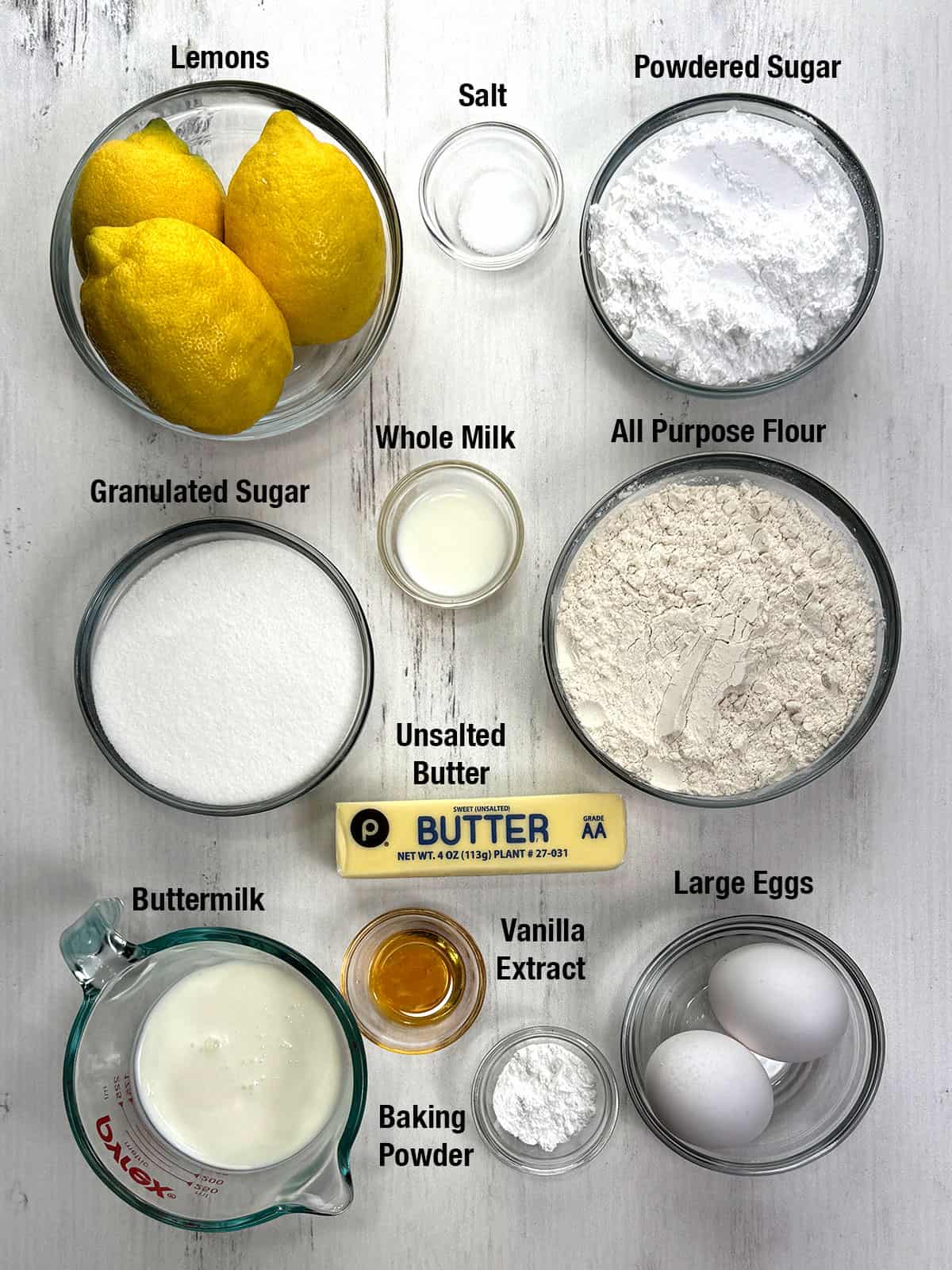
Ingredients - Here's What You'll Need
Steps to Make Better Than Starbucks Lemon Loaf
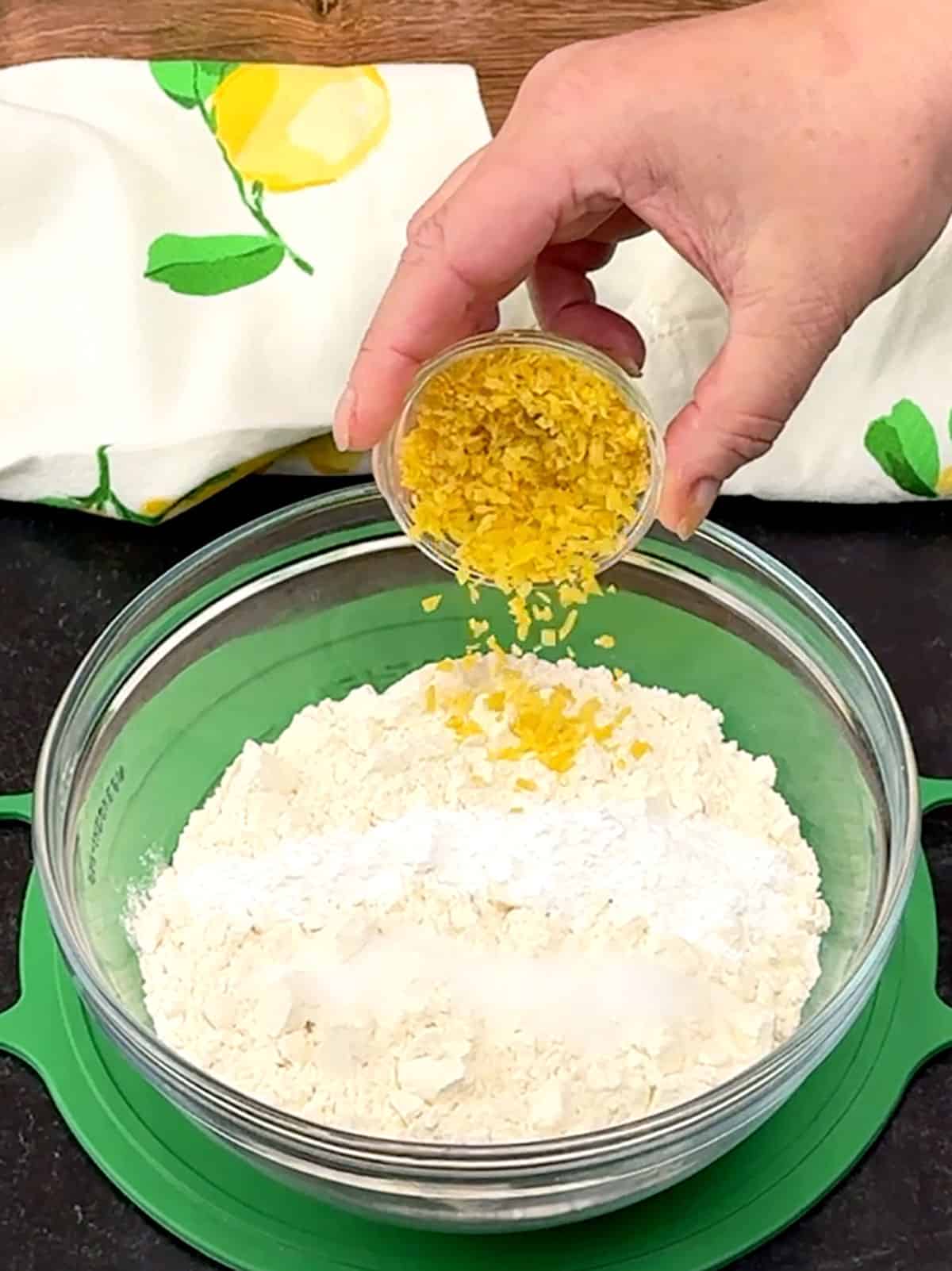
- Preheat the oven to 350°F. Spray a 9x5 loaf pan with non-stick cooking spray and set it aside until ready to use. Combine flour, baking powder, salt, and one tablespoon of lemon zest in a small bowl. Set the bowl aside until ready to add to the batter.
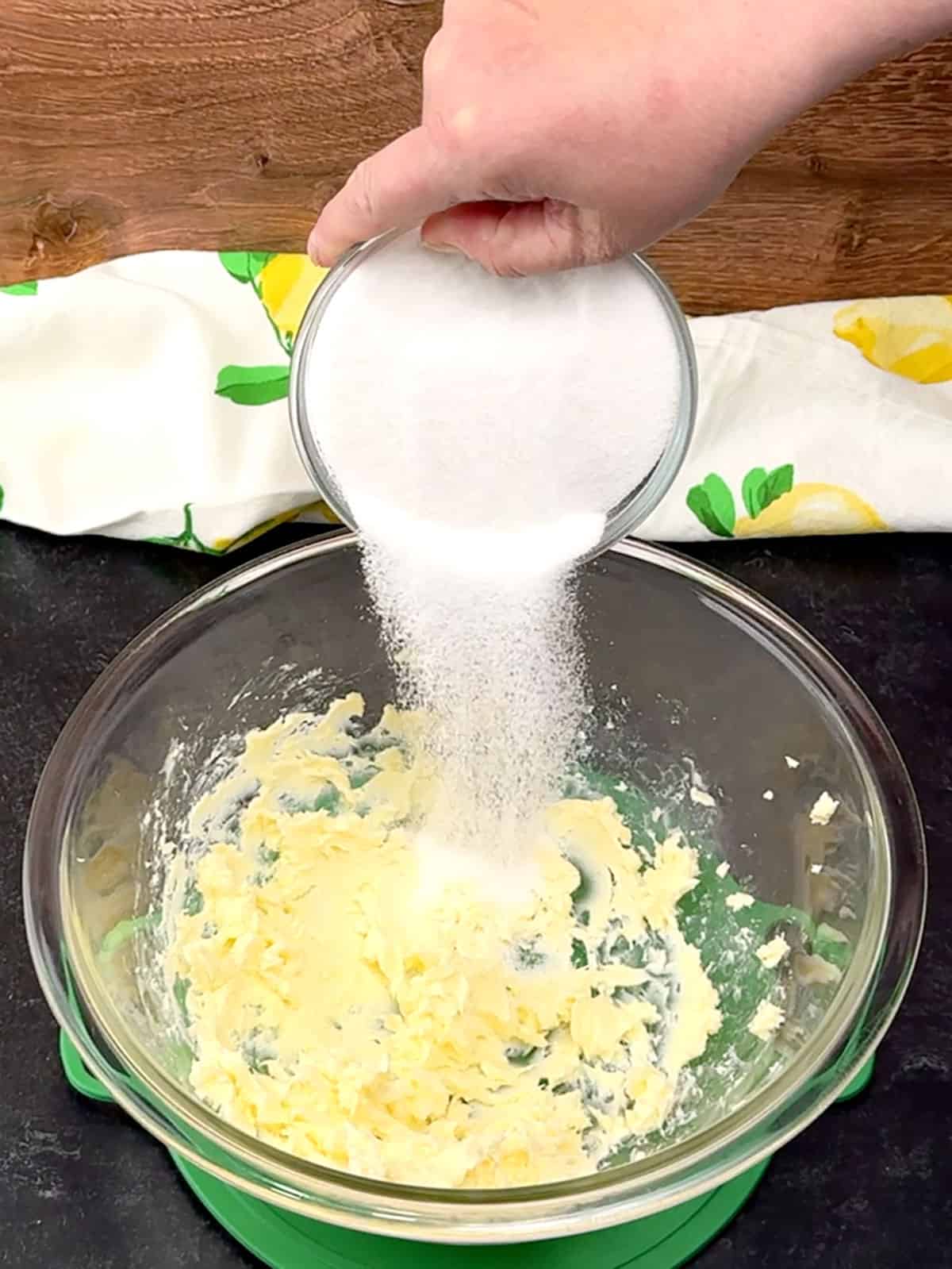
- Cream the butter in a large bowl for about two minutes until light and fluffy. Then, add the granulated sugar and beat for 4-6 minutes on medium-high speed until light and fluffy. Scrape down the sides of the bowl.
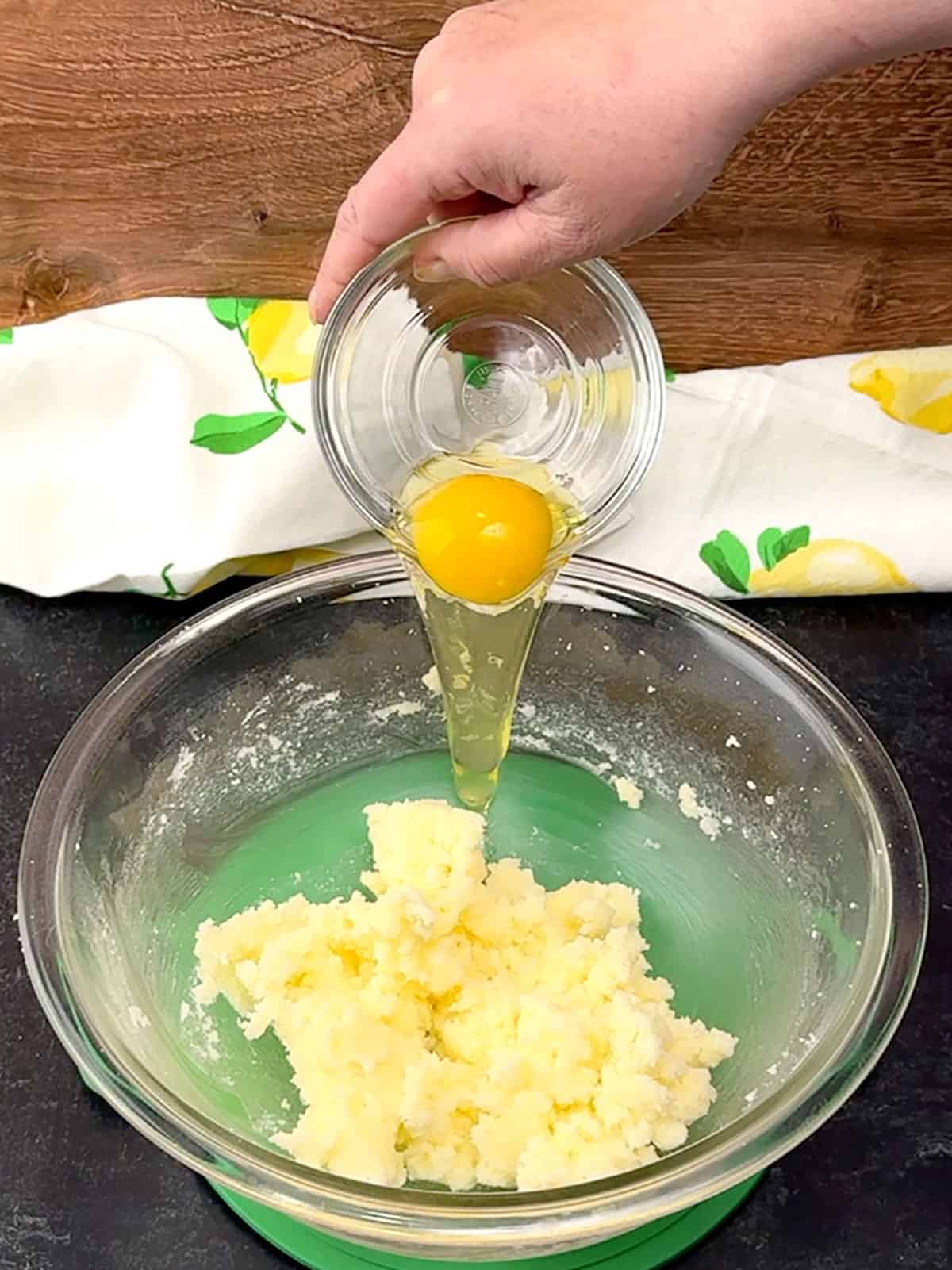
- Next, add the eggs, one at a time, beating well after each addition. Scrape down the sides of the bowl.
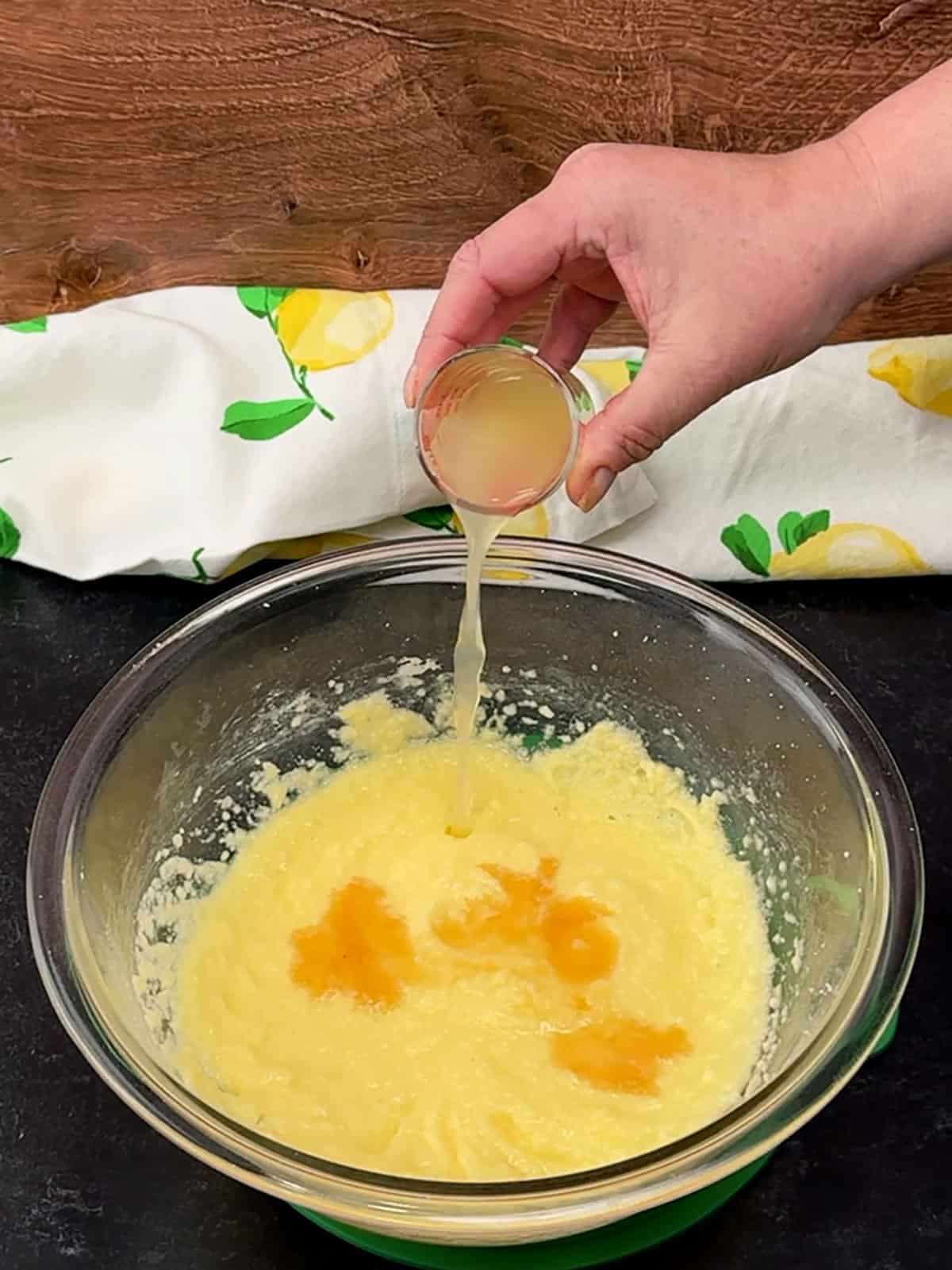
- Then, beat in vanilla extract and fresh lemon juice. Scrape down the sides of the bowl.
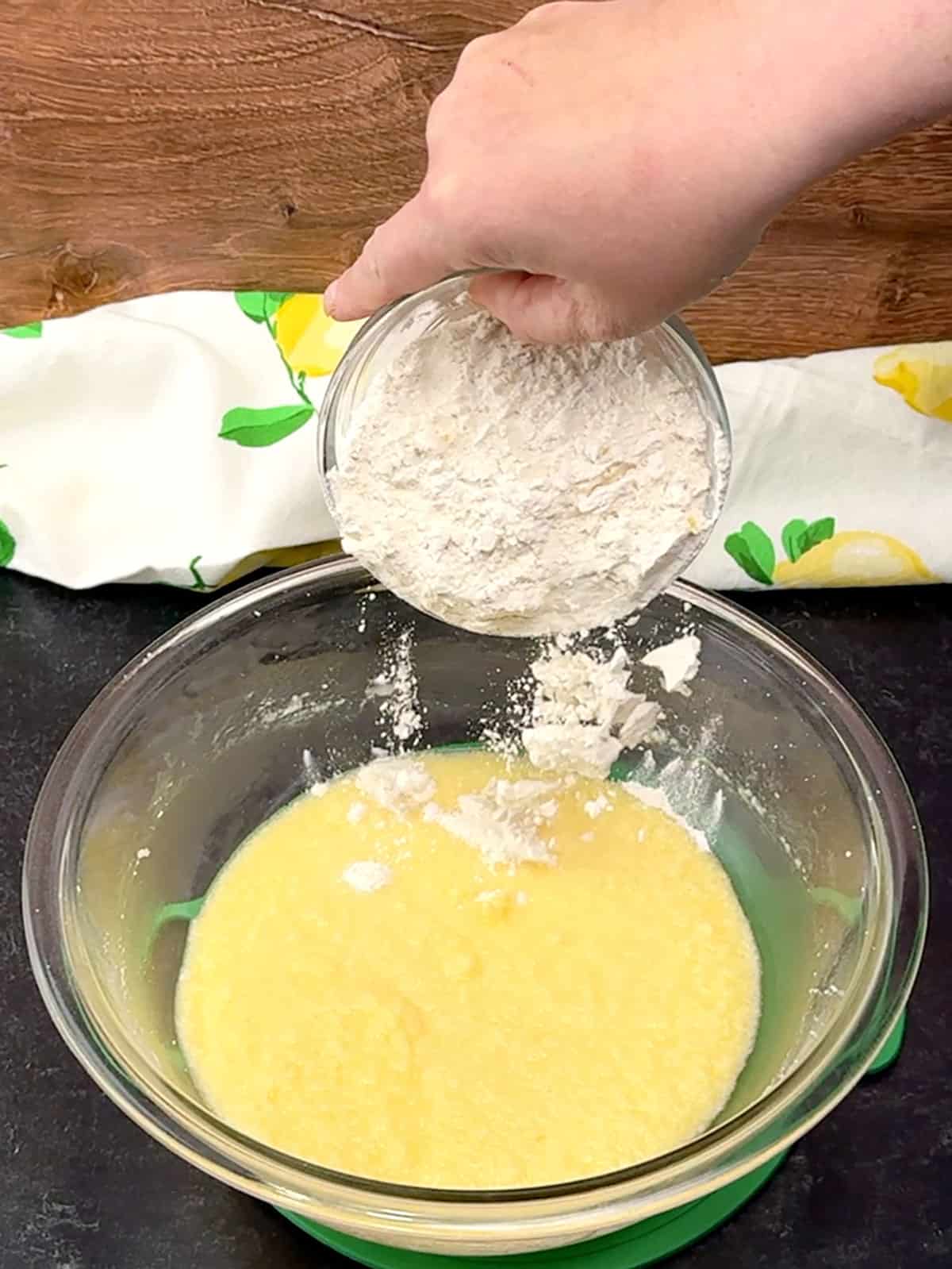
- Next, beat in one-third of the flour mixture until just combined. Scrape the sides of the bowl.
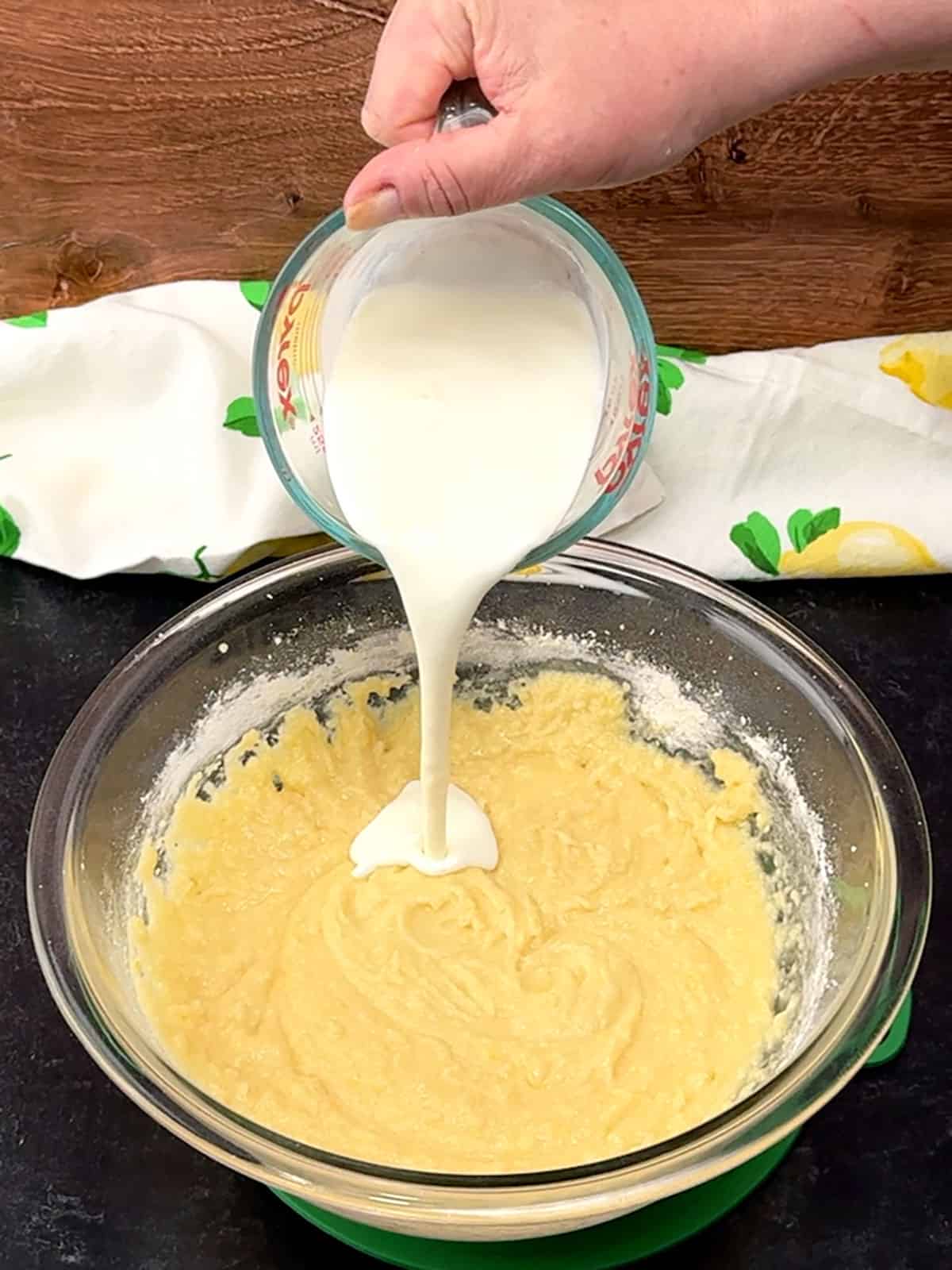
- Add half of the buttermilk, beat until just combined. Scrape the sides of the bowl. Then, add another third of the flour, then the remaining buttermilk, and then the remaining third of flour, beating until just combined and scraping the sides of the bowl after each addition.
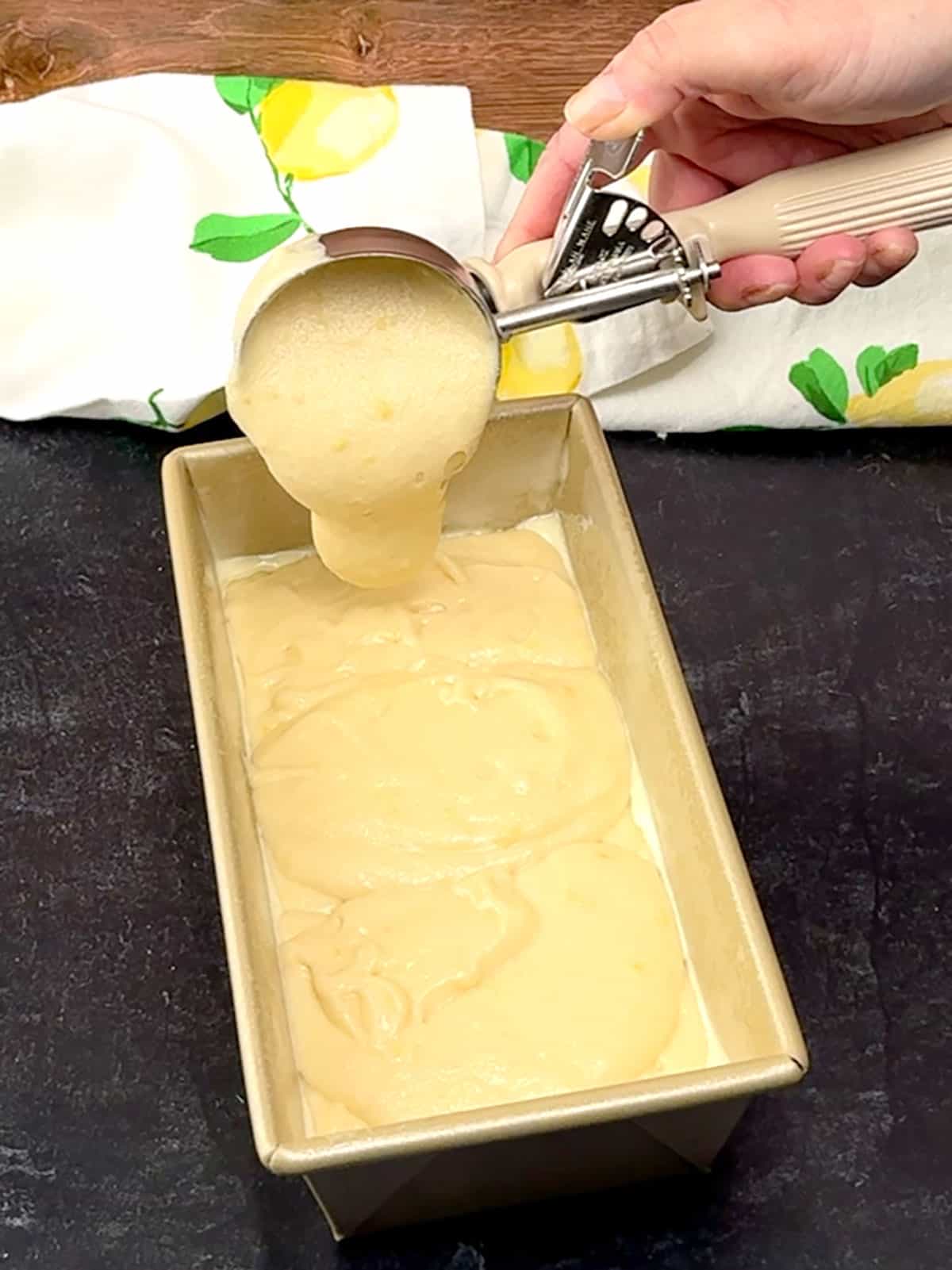
- Use a large ice cream scoop to transfer the batter into the prepared pan. Bake in a 350°F oven for 45-55 minutes, until the top is golden brown and a toothpick inserted comes out mostly clean.
- Remove the cake from the oven and let it cool for 15 minutes in the pan.
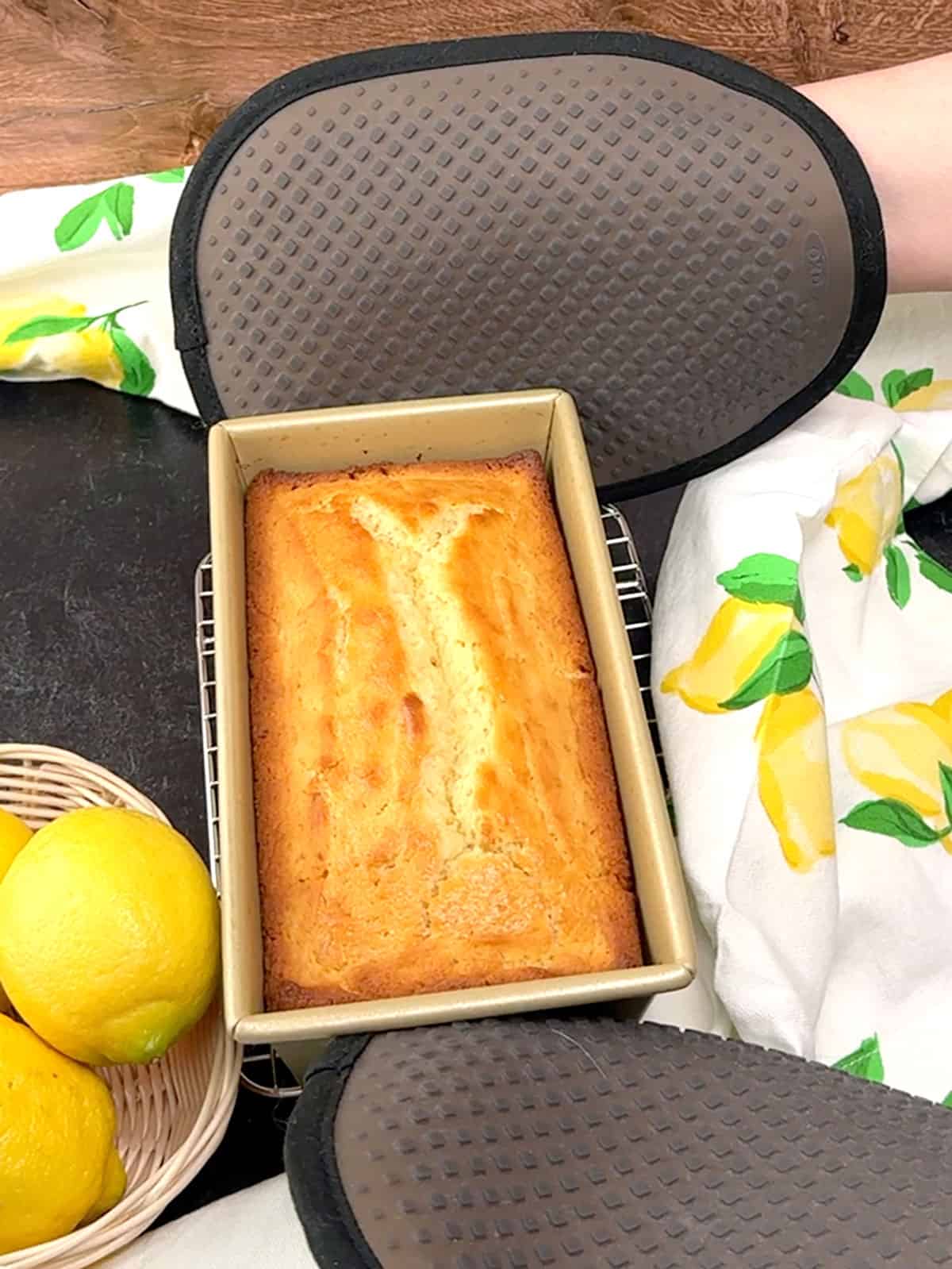
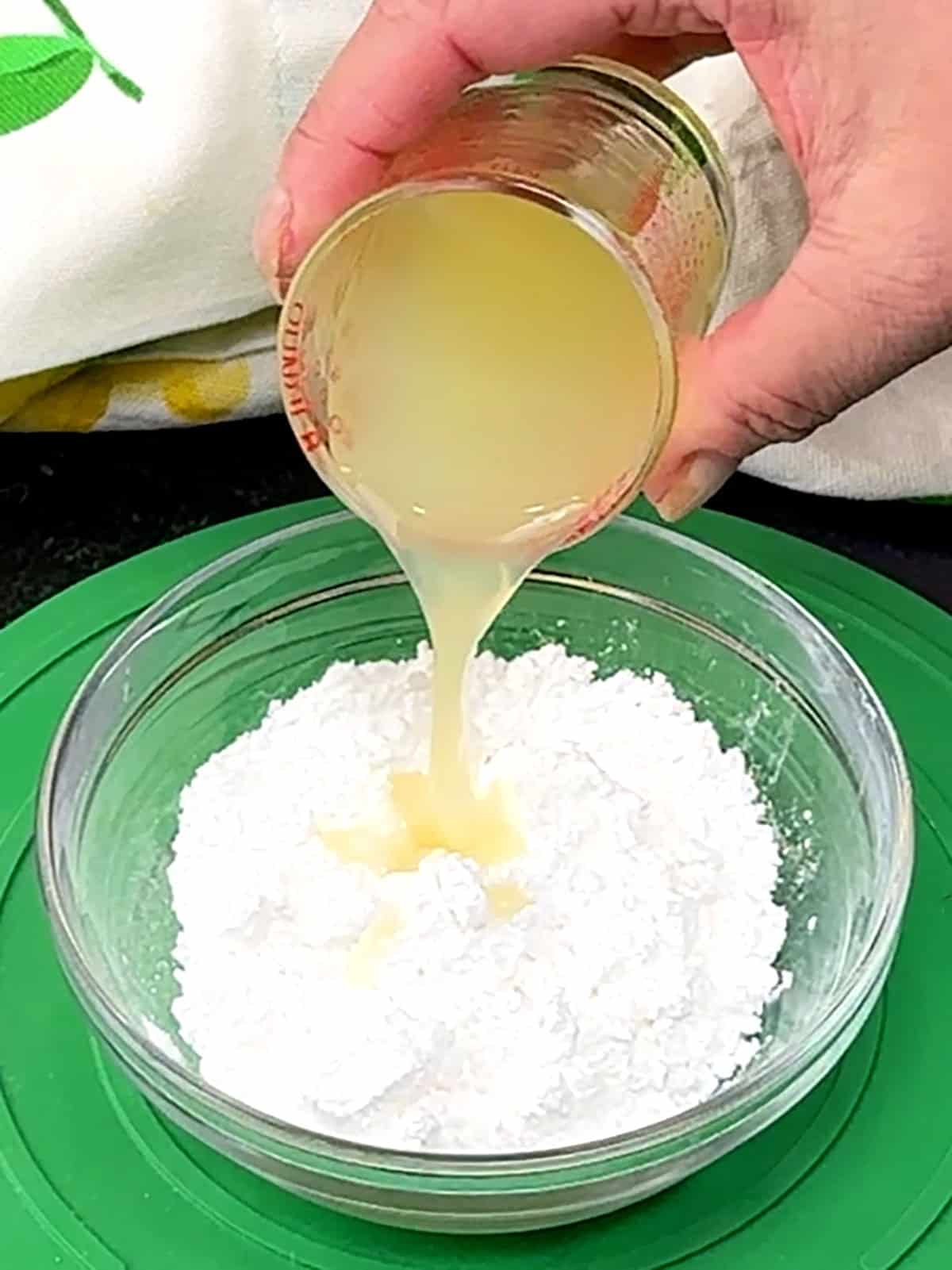
- Make the lemon syrup by whisking together lemon juice and powdered sugar in a small bowl, making sure no lumps of sugar remain.
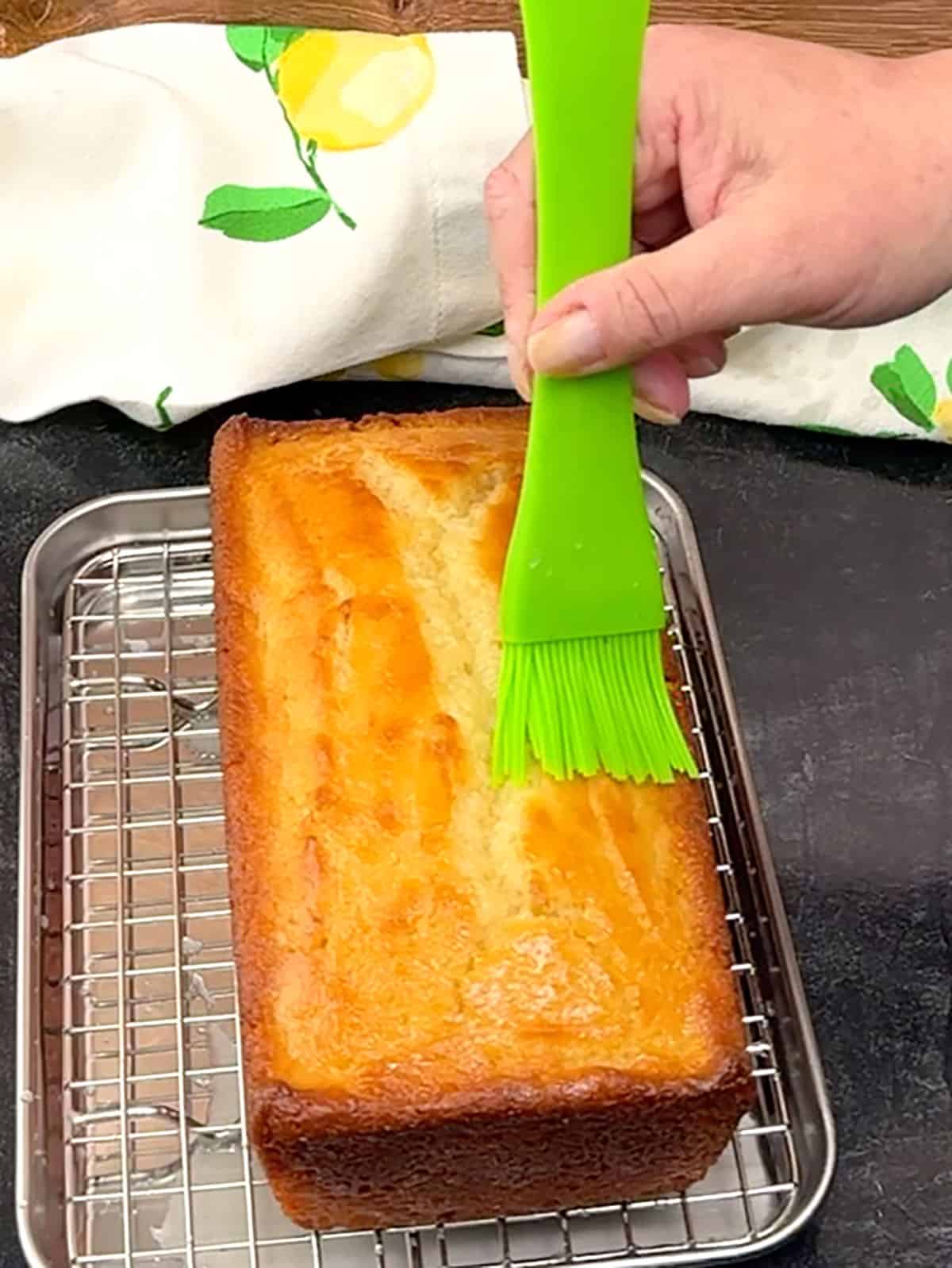
- After 15 minutes, carefully remove the cake from the pan and place it on a wire rack set over a sheet pan. Brush the syrup over the cake, carefully turning it to brush the syrup over all six sides. Allow the cake to cool completely to room temperature before adding the glaze icing.
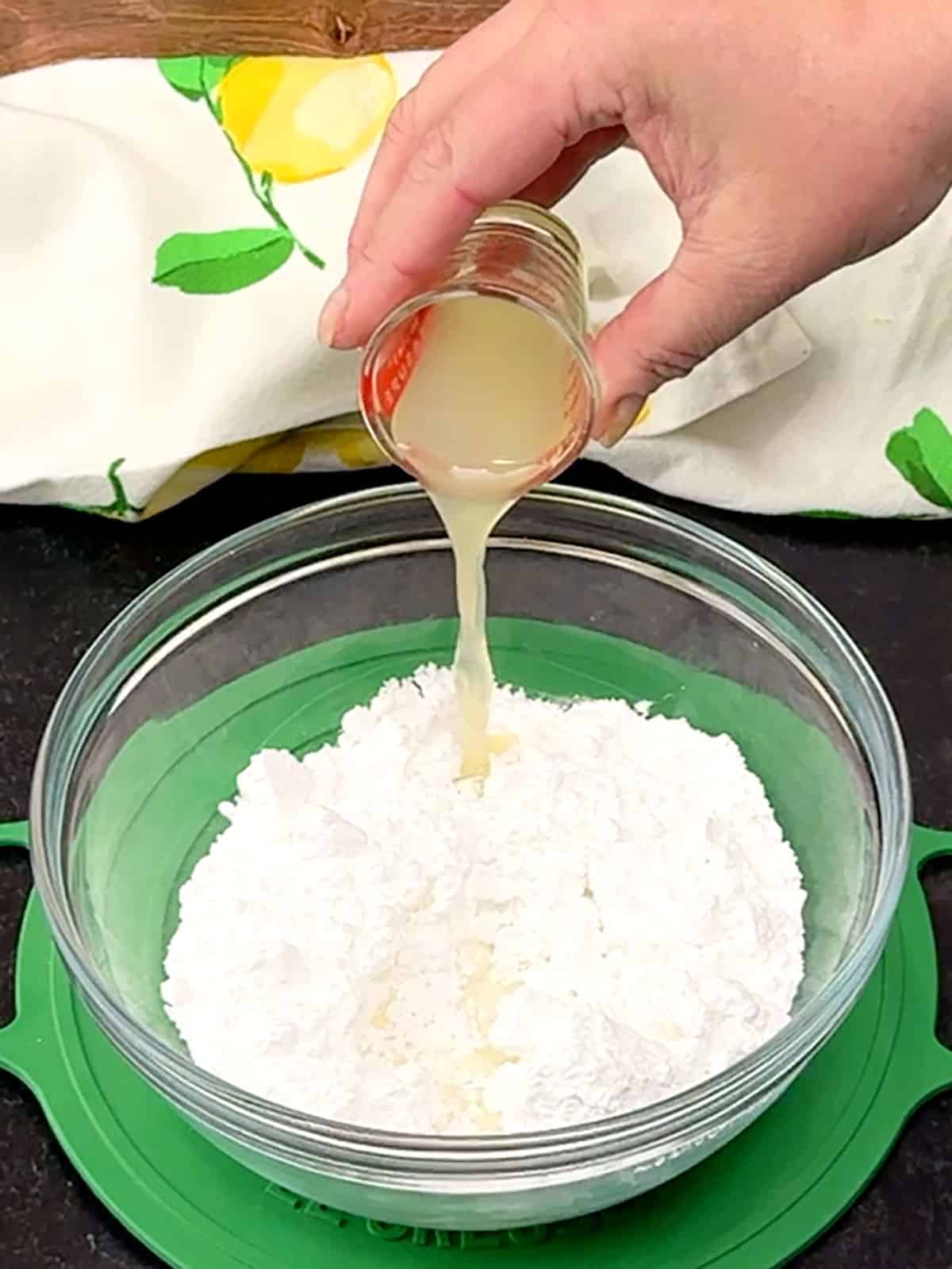
- Once the cake has cooled completely make the lemon glaze icing. Whisk together lemon juice, whole milk, and powdered sugar in a small bowl, making sure no lumps of sugar remain.
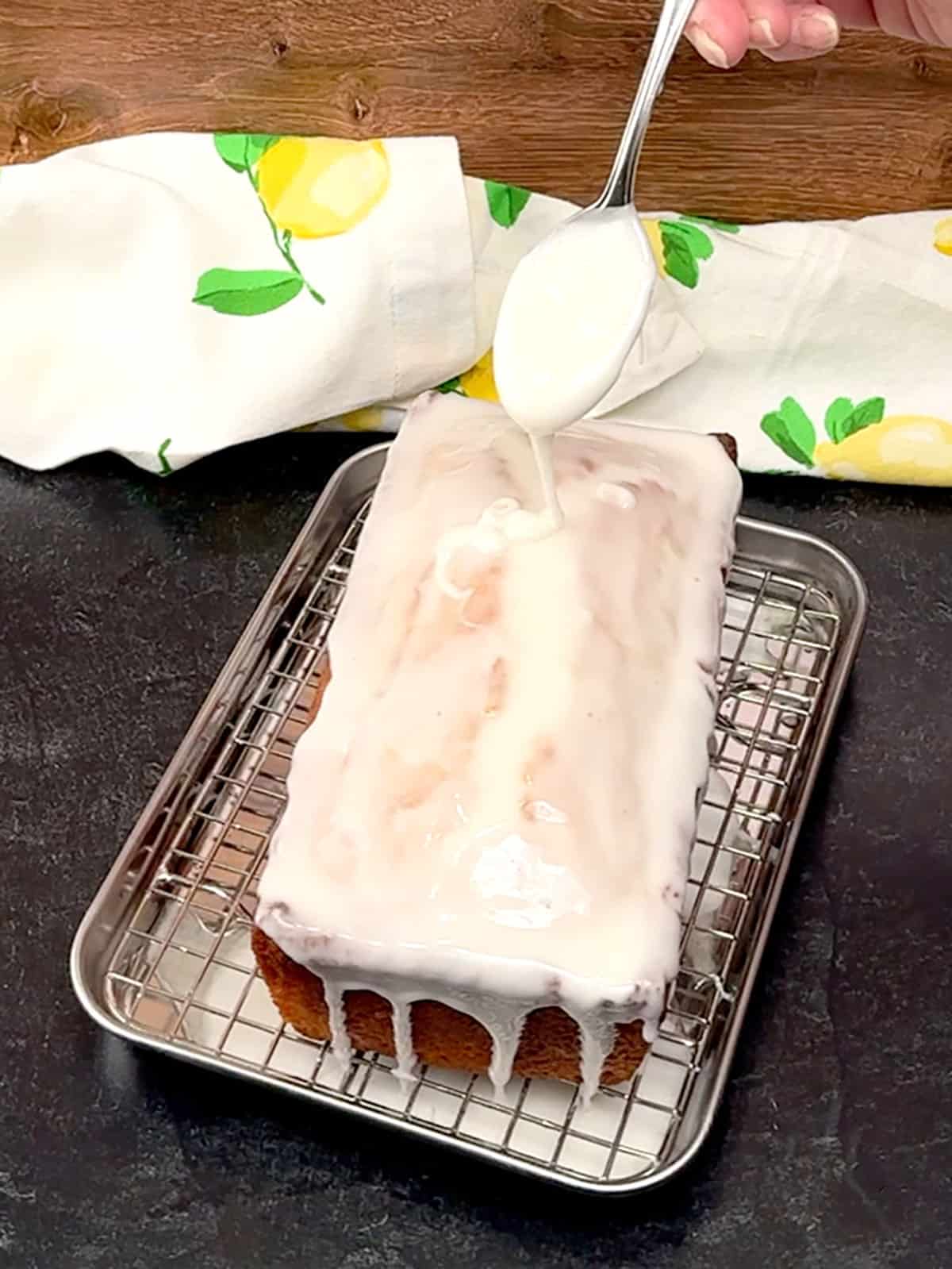
- When the cake has cooled completely, spoon the glaze icing over the top, allowing it to lightly drip down the sides.
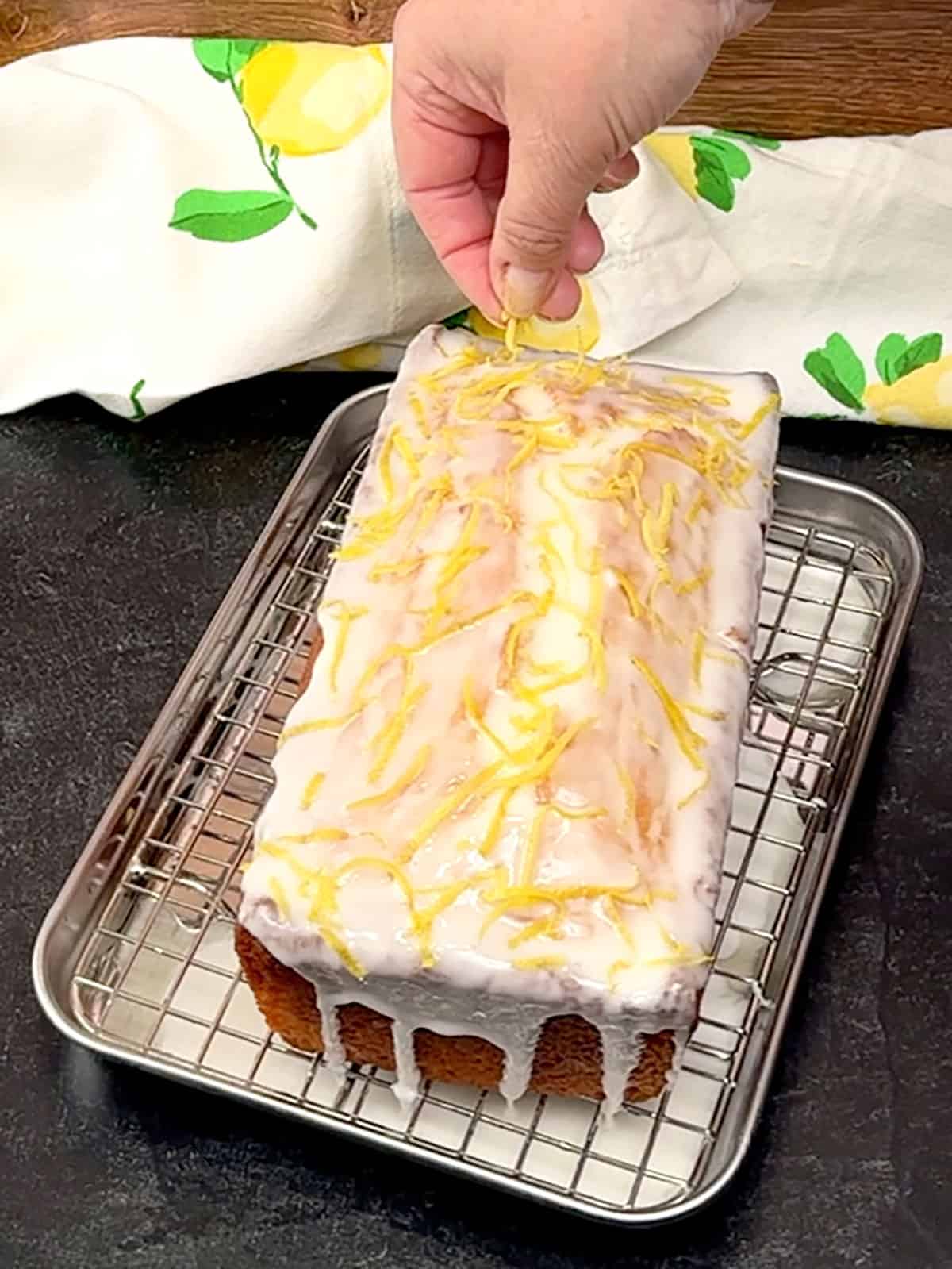
- Then, sprinkle a little bit of lemon zest over the top of the wet glaze icing. Allow the glaze icing to set and harden before serving.
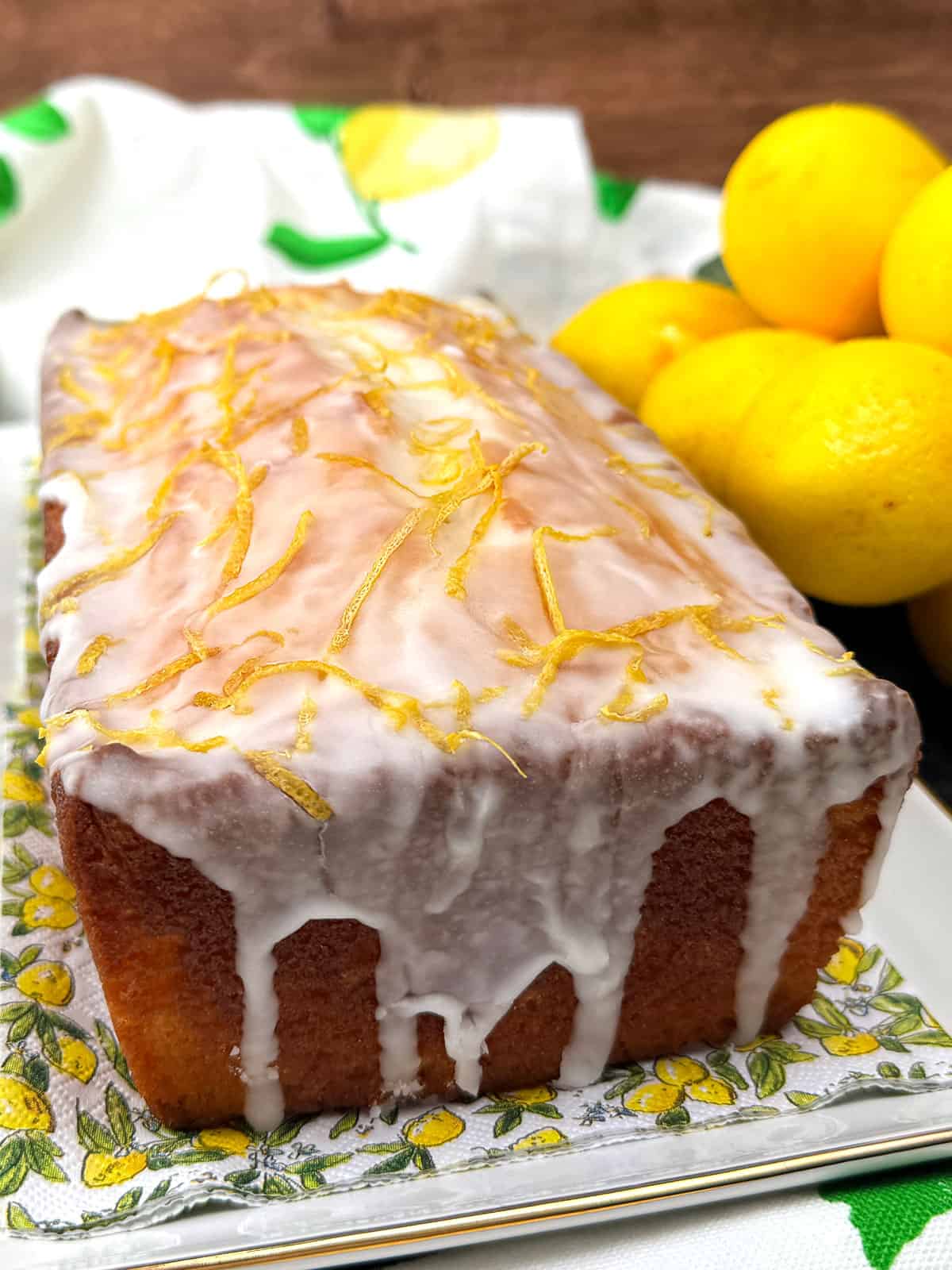
Mastering the art of the perfect citrus cake is easy when you have a foolproof recipe like this Better Than Starbucks Lemon Loaf. Whether you're prepping for a weekend brunch or just want a reliable snack for the week, this citrus masterpiece delivers consistent, high-quality results every time. Grab your lemons and get baking. Your kitchen is about to smell like pure sunshine!
Frequently Asked Questions
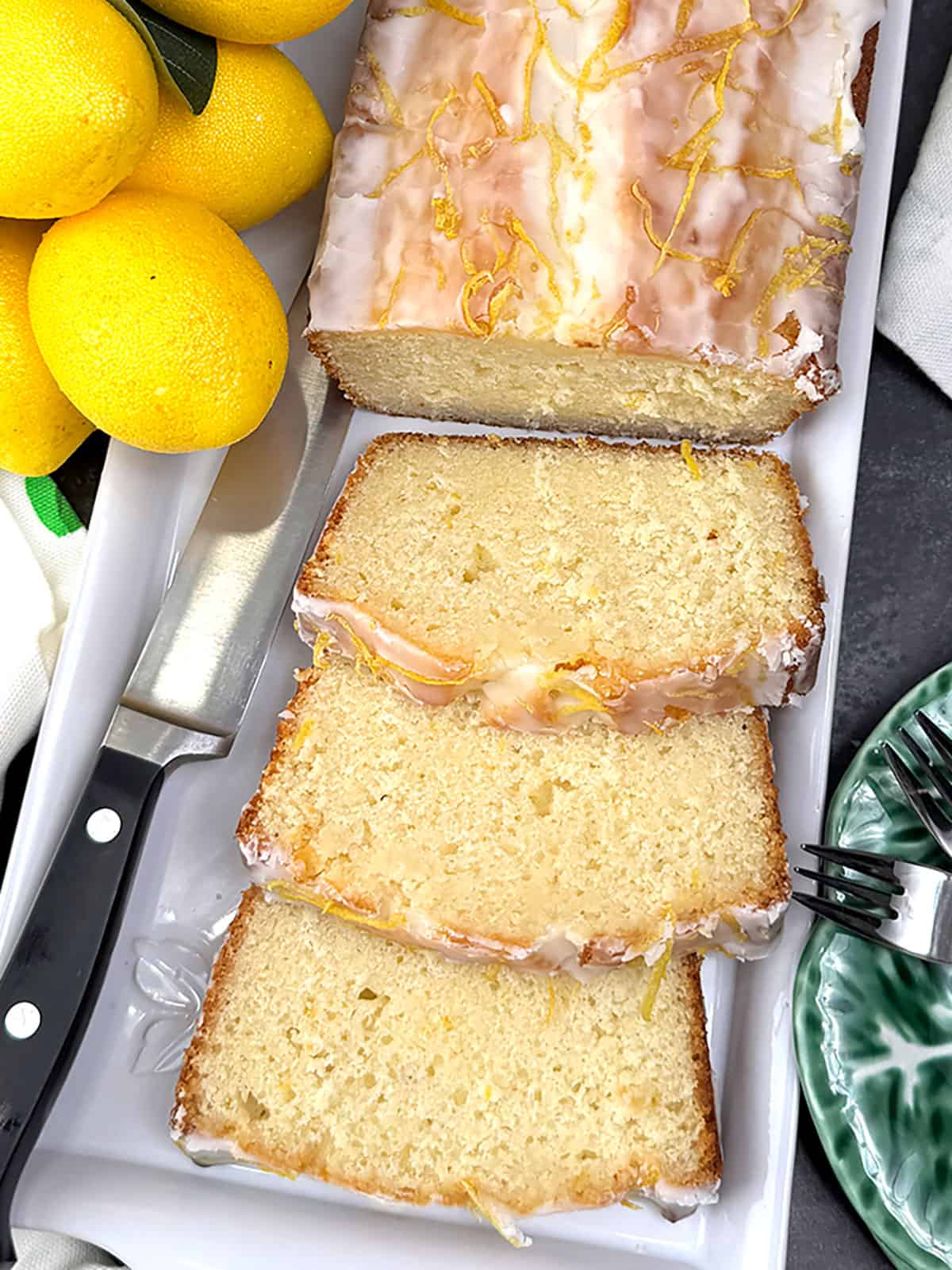
The secret to a moist Better Than Starbucks Lemon Loaf is the balance of fats and the soaking glaze. Ensure you do not overbake the loaf; start checking for doneness a few minutes before the timer goes off. Additionally, applying the lemon syrup while the loaf is still warm allows the moisture to penetrate deep into the crumb rather than just sitting on top.
While bottled juice works in a pinch, fresh lemon juice is highly recommended for this recipe. Bottled juice often has a muted, slightly metallic taste. Fresh lemons provide the essential oils from the zest and a bright, sharp acidity that is key to achieving that signature "better than the original" flavor. Since this recipe also calls for lemon zest, you're better off zesting and juicing fresh lemons.
To keep the loaf tender, store it in an airtight container at room temperature for up to 3 days. If you want it to last longer, you can refrigerate it for up to a week, though the fridge can sometimes dry out the cake. For long-term storage, this loaf freezes beautifully for up to 3 months-just wrap it tightly in plastic wrap and foil.
Actually, this Better Than Starbucks Lemon Loaf uses two types of "glazes." A thin lemon syrup is applied while the loaf is warm, so it soaks in for moisture. A thicker, opaque glaze icing is applied only once the loaf is completely cold to create that iconic white layer that stays on top. If your glaze icing is too runny, you can add more powdered sugar, about a tablespoon at a time, until it is a thick, spoonable consistency.
Recipe Tips and Tricks
- Room Temperature Ingredients: Make sure your eggs, butter, and sour cream are at room temperature before you start. Cold ingredients don't emulsify properly, which can lead to a dense, heavy loaf rather than a light and tender one.
- Don't Overmix: Once you add the dry ingredients to the wet, mix only until just combined. Over-mixing develops gluten, which will turn your tender loaf into something tough and bread-like.
- The Toothpick Test: Since every oven is different, start checking for doneness 5-10 minutes before the recipe suggests. Insert a toothpick into the thickest part; it should come out with just a few moist crumbs attached, but no wet batter.
- Use the Right Pan: A light-colored non-stick metal loaf pan is ideal. Dark pans absorb more heat and can cause the edges of your lemon loaf to brown too quickly or become tough before the center is cooked through.
Other Great Lemon Recipes
- Easy No-Bake Meyer Lemon Tiramisu
- Easy One-Pan Lemon Pork Tenderloin and Potatoes
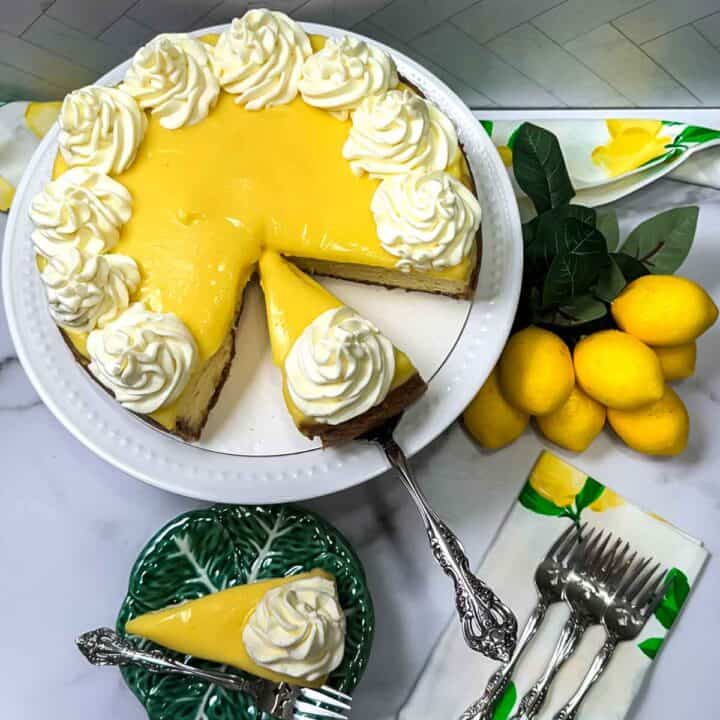
- Luscious Lemon Curd Cheesecake
- The Ultimate Creamy Pasta al Limone (Lemon Pasta)
- Easy One-Pan Lemon Parmesan Chicken & Orzo
- Lemon-Curd-Filled Hawaiian Rolls with Glossy Lemon Glaze
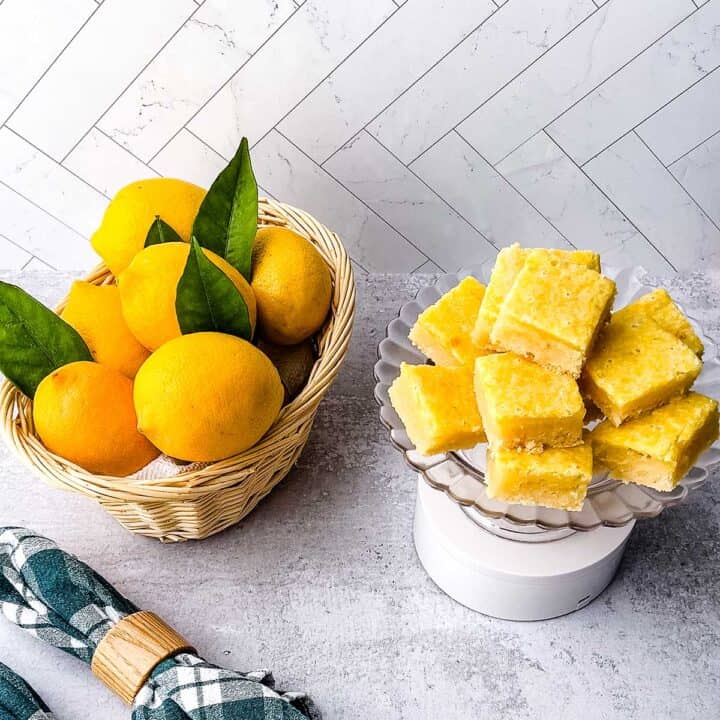
- Classic Lemon Bars
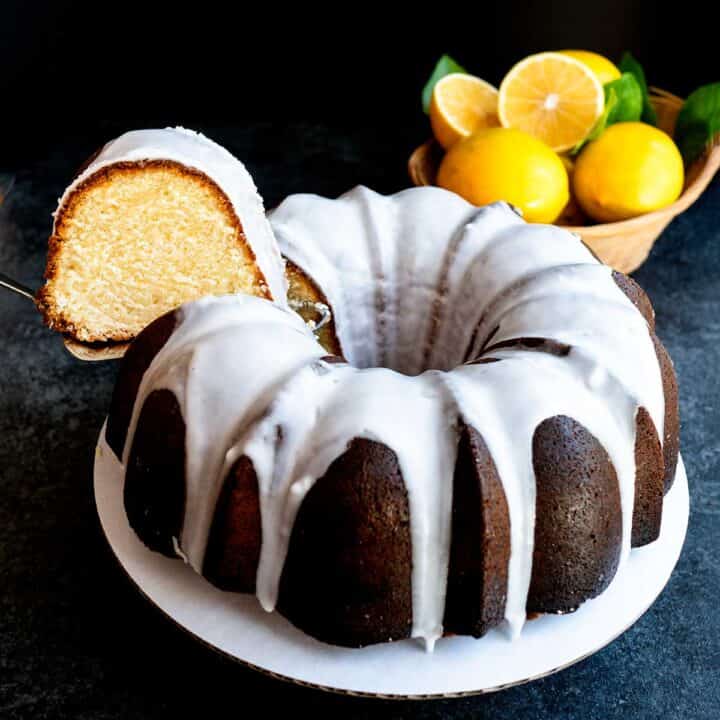
- Lemon Cream Cheese Bundt Cake





Did you make this recipe? We'd love to know how it turned out! Leave a review below. Then, share a picture on Instagram and tag @pudgefactor so we can see it.
Don't forget to follow us on Pinterest, Facebook, YouTube, Flipboard, and Instagram.
Thank you so much for visiting PudgeFactor. We hope you'll come back!
Recipe
Want to Save This Recipe?
Enter your email & I'll send it to your inbox. Plus, enjoy weekly doses of culinary inspiration as a bonus!
By submitting this form, you consent to receive emails from Pudge Factor.

Better Than Starbucks Lemon Loaf
Equipment
- Lemon Zester
- Juicer
- 9x5 Non-Stick Loaf Pan
- non-stick cooking spray
- Large Bowl
- 3 Small Bowls
- Small Whisk
- Electric hand mixer
- large ice cream scoop
- Basting Brush
- Medium Size Spoon
- Quarter Sheet Wire Rack
- quarter sheet pan
Ingredients
For the Lemon Pound Cake
- 1 ½ c All-Purpose Flour
- 1 ½ teaspoon Baking Powder
- ½ teaspoon Salt
- 1 TBS Lemon Zest1 minced finely
- ½ c Unsalted Butter room temperature
- 1 c Granulated Sugar
- 2 Large Eggs
- 1 teaspoon Vanilla Extract
- 2 TBS Lemon Juice1
- ½ c Buttermilk room temperature
For the Lemon Syrup
- ¼ c Lemon Juice1
- 3 TBS Powdered Sugar
For the Lemon Glaze Icing
- 1 c Powdered Sugar
- 1 TBS Whole Milk room temperature
- 1 TBS Lemon Juice1
- Lemon Zest optional for garnish
Instructions
- Preheat oven to 350°F. Spray a 9x5 loaf pan with non-stick cooking spray and set aside until ready to use.
- Combine flour, baking powder, salt, and one tablespoon of lemon zest in a small bowl. Set the bowl aside until ready to add to the batter.
- Cream the butter in a large bowl for about two minutes until light and fluffy. Then, add the granulated sugar and beat for 4-6 minutes on medium-high speed until light and fluffy. Scrape down the sides of the bowl.
- Next, add the eggs, one at a time, beating well after each addition. Scrape down the sides of the bowl. Then, beat in vanilla extract and fresh lemon juice. Scrape down the sides of the bowl.
- Next, beat in one-third of the flour mixture, until just combined. Scrape the sides of the bowl. Add half of the buttermilk, beat until just combined. Scrape the sides of the bowl. Then, add another third of the flour, the remaining buttermilk, then the remaining third of flour, beating until just combined and scraping the sides of the bowl after each addition.
- Use a large ice cream scoop to transfer the batter into the prepared pan. Bake in a 350°F oven for 45-55 minutes, until the top is golden brown and a toothpick inserted comes out mostly clean.
- Remove the cake from the oven and let it cool for 15 minutes in the pan.
To Make the Lemon Syrup
- Make the lemon syrup by whisking together lemon juice and powdered sugar in a small bowl, making sure no lumps of sugar remain. After 15 minutes, carefully remove the cake from the pan and place it on a wire rack set over a sheet pan. Brush the syrup over the cake, carefully turning it to brush the syrup over all six sides. Allow the cake to cool completely to room temperature before adding the lemon glaze icing.
To Make the Lemon Glaze Icing
- Once the cake has cooled completely, make the lemon glaze icing. Whisk together lemon juice, whole milk, and powdered sugar in a small bowl, making sure no lumps of sugar remain.2 Spoon the glaze icing over the sides, allowing it to lightly drip down the sides.
- To garnish, sprinkle the large lemon zest pieces over the top of the wet glaze icing. Allow the glaze icing to set and harden before serving.
- Yield 12 servings
Tips/Notes
- The zest and juice from three lemons should be enough for this entire recipe. When zesting the lemons, minced it finely before measuring the tablespoon. Make sure to leave some larger pieces for garnishing the top of the cake. I used the zest of two lemons minced for the cake batter, and the zest of the third lemon, left as large pieces to garnish the top.
- If your glaze icing is too runny you can add more powdered sugar, about a tablespoon at a time, until it is a thick, spoonable consistency.
Leave a Reply