
If you've ever ordered Kung Pao Chicken from a restaurant and wondered why your home version isn't quite the same, the answer is usually not the sauce but the process.
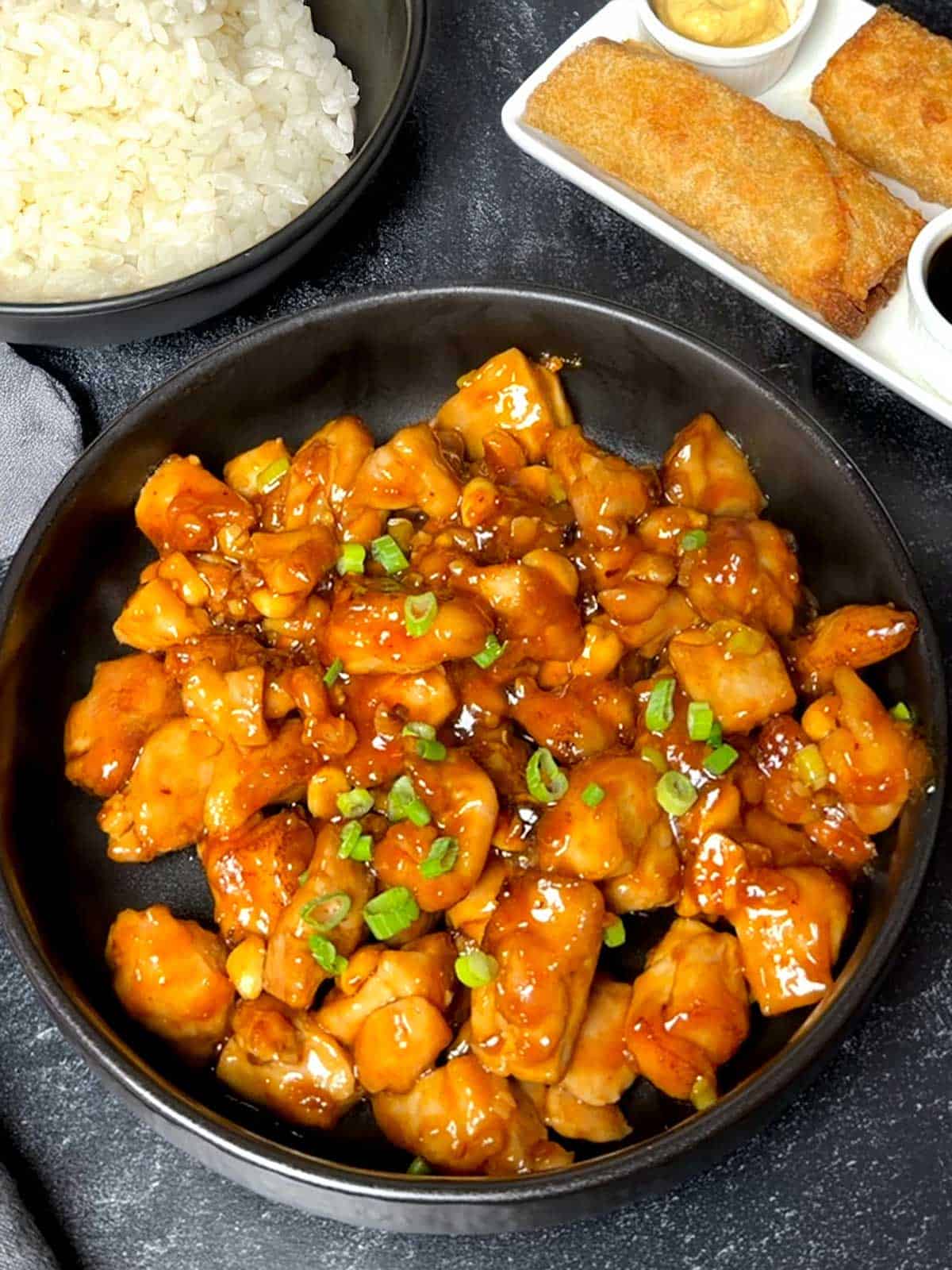
This version starts with a bottled Kung Pao stir-fry sauce, but finishes the way a restaurant's kitchen would: proper heat, a light velveting of the chicken, and a few well-chosen additions. The result is glossy, balanced, and deeply satisfying. All of this without a long list of ingredients, time-consuming preparation, or complex steps.
Quick Look
- Ready in: About 25 minutes
- Serves: 2 - 3
- Difficulty: Easy
- Make-Ahead Friendly: Prep in advance, best to serve immediately
- Good to Know: No Wok required * Weeknight-friendly
Jump to:
Why This Recipe Works
Most recipes for Kung Pao Chicken start from scratch. This often leads to long ingredient lists, overly sweet or muddy flavors, and dry or overcooked chicken.
Instead, this recipe focuses on what actually matters:
- Chicken thighs, trimmed and cut into bite-sized pieces for tenderness
- A light velveting step to protect the chicken during high-heat cooking
- Proper pan temperature so the chicken browns and releases cleanly
- A bottled sauce that's finished, not just poured
Once you understand the structure, everything else quickly falls into place.
Ingredients - Here's What You'll Need
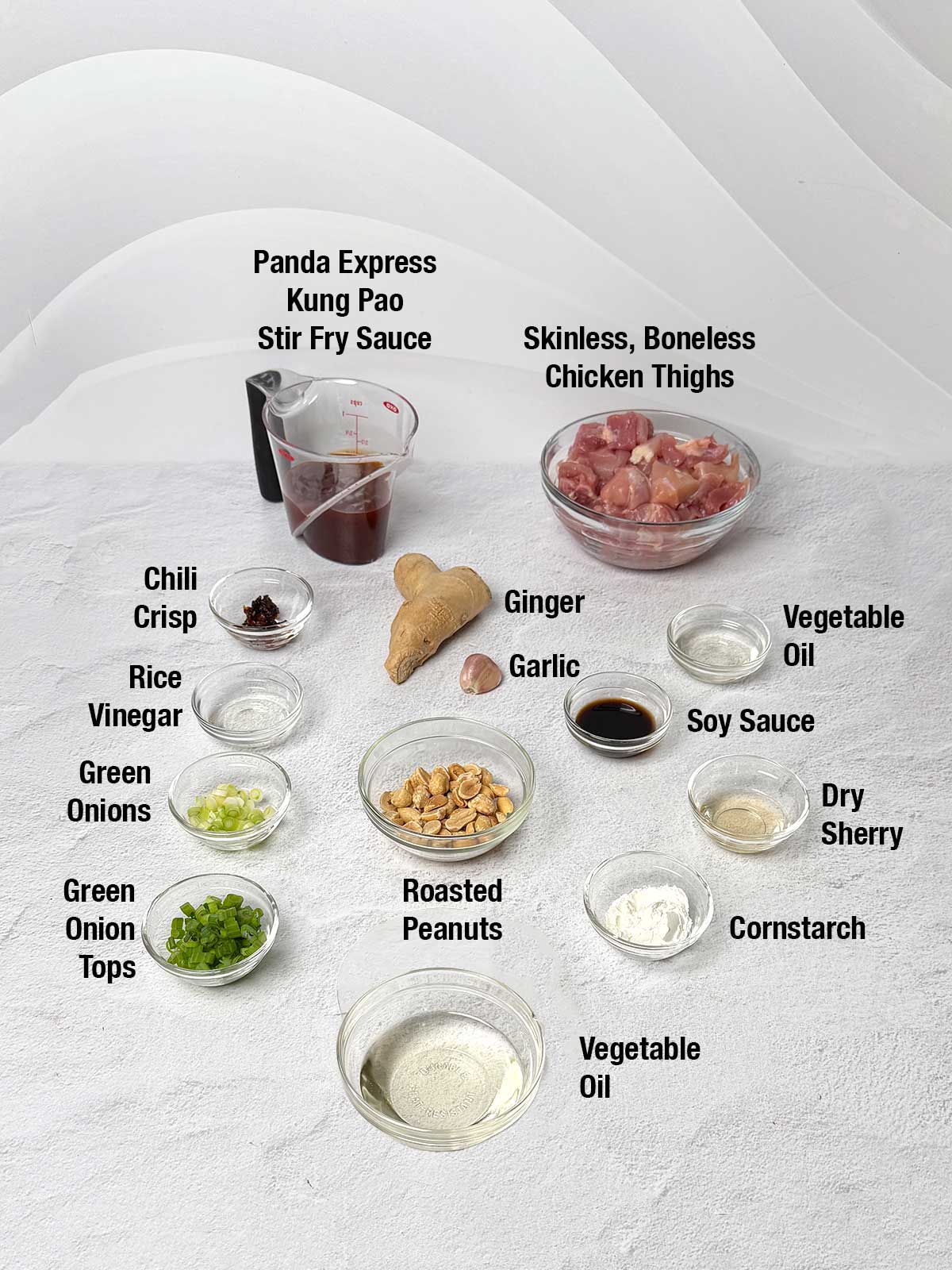
Chicken
- Boneless, skinless chicken thighs, trimmed of excess fat
Velveting for Texture, Not Flavor
- Soy sauce
- Dry sherry
- Vegetable oil
- Cornstarch
Sauce and Aromatics
- Panda Express Kung Pao Stir Fry Sauce
- Fresh garlic
- Fresh ginger
- Rice vinegar
- Chili crisp
Finish
- Roasted lightly salted peanuts
- Green onions
How to Make Kung Pao Chicken - Step-by-Step
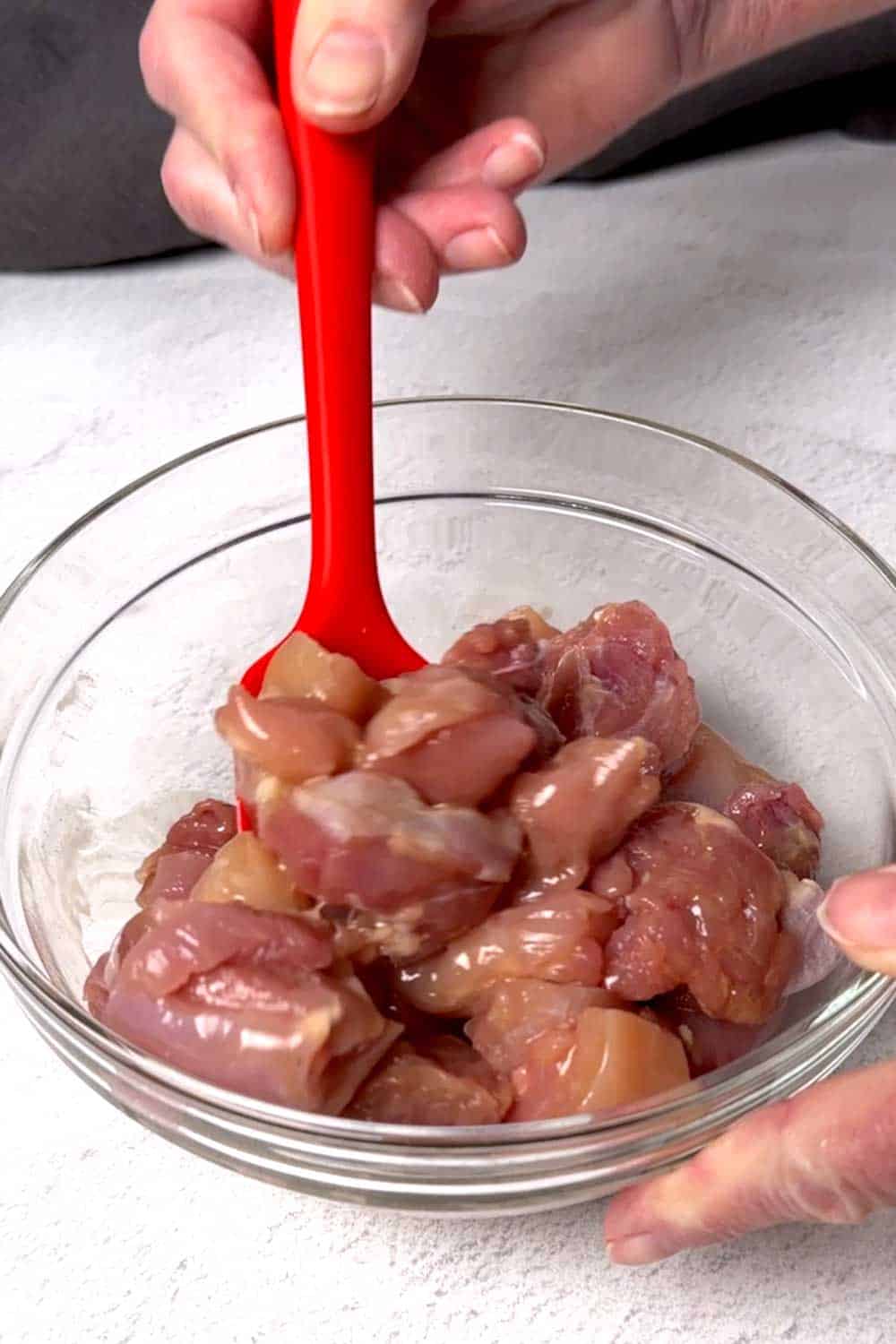
- Prep the Chicken: Trim excess fat from the chicken thighs, then cut them into 1-inch pieces. Toss the chicken thighs in a mixture of soy sauce, dry sherry, vegetable oil, and cornstarch. Let the chicken sit for 10 minutes.
- Preheat the Pan: Heat the empty pan over medium-high heat until hot, between 375°F and 400°F.
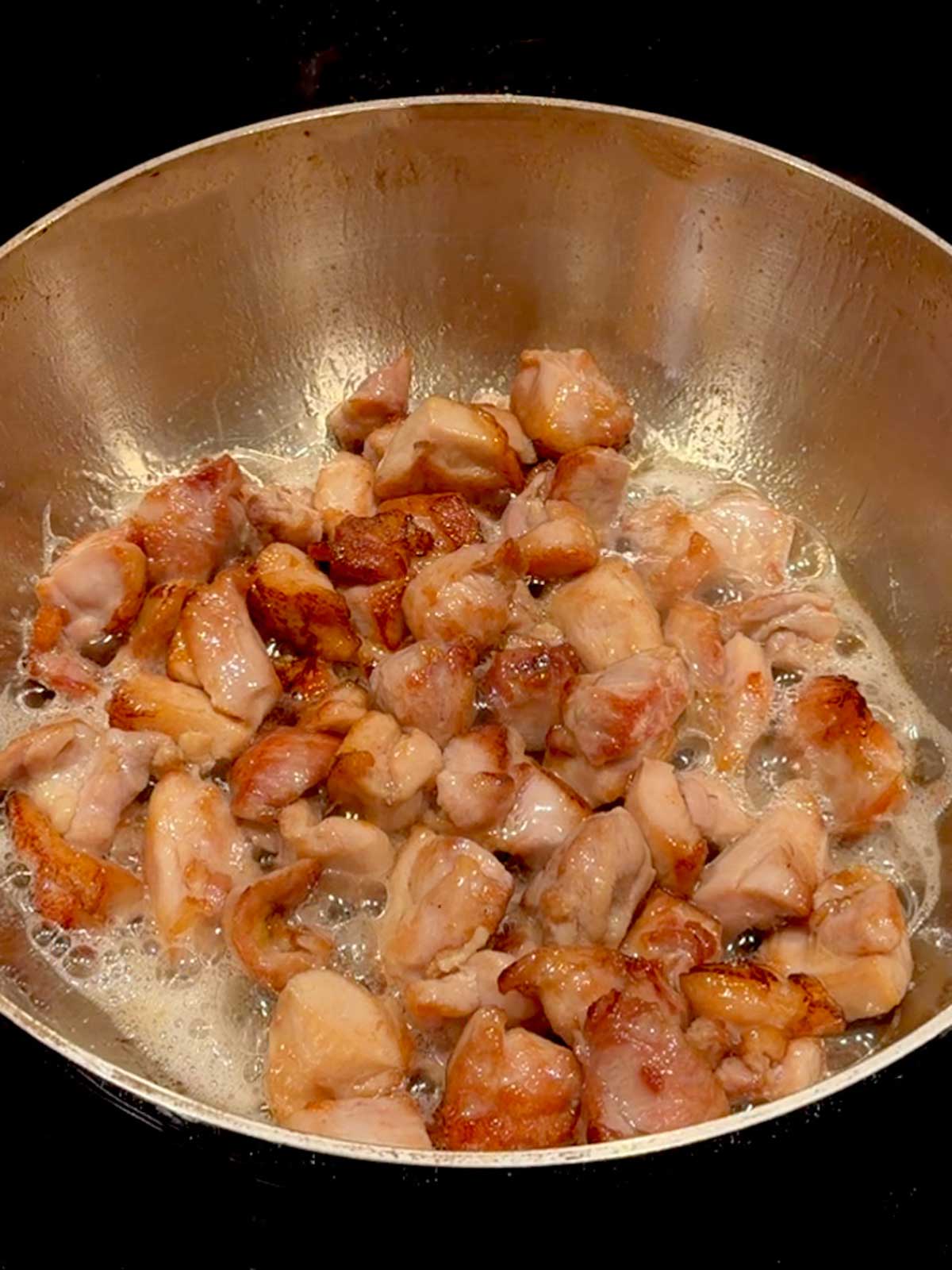
- Cook the Chicken: Add the oil to the heated pan. Then, add the chicken in a single layer. Don't stir for 30 to 45 seconds to allow the chicken to release naturally from the pan. Cook, stirring frequently, for 3 to 4 minutes, just until the chicken is cooked through. Remove the cooked chicken from the pan.
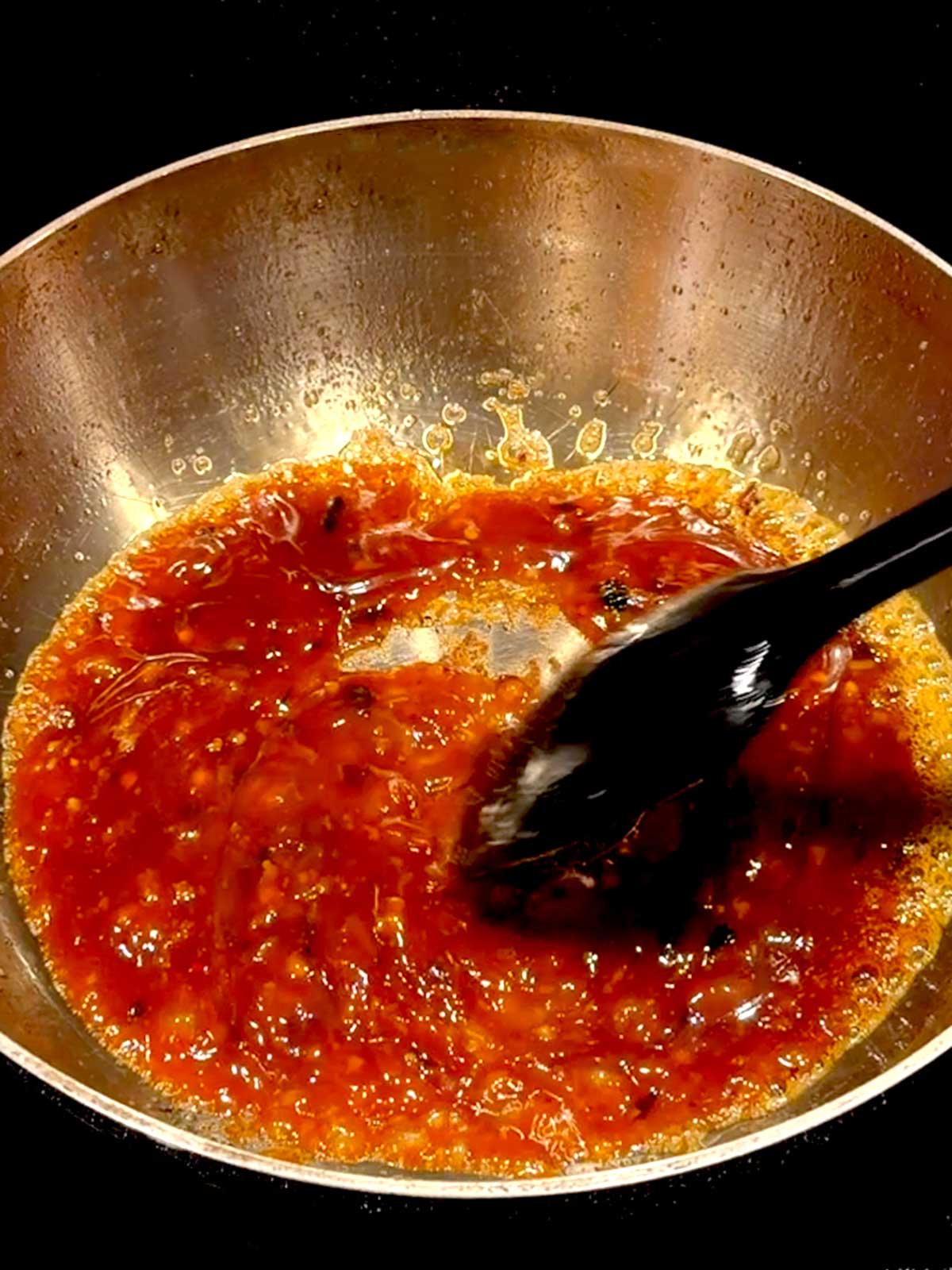
- Build the Sauce: Lower the heat to medium. Add the garlic, ginger, and chili crisp, and cook for about 30 seconds, until fragrant. Add the Kung Pao sauce and rice vinegar. Simmer for 1 to 2 minutes until glossy.
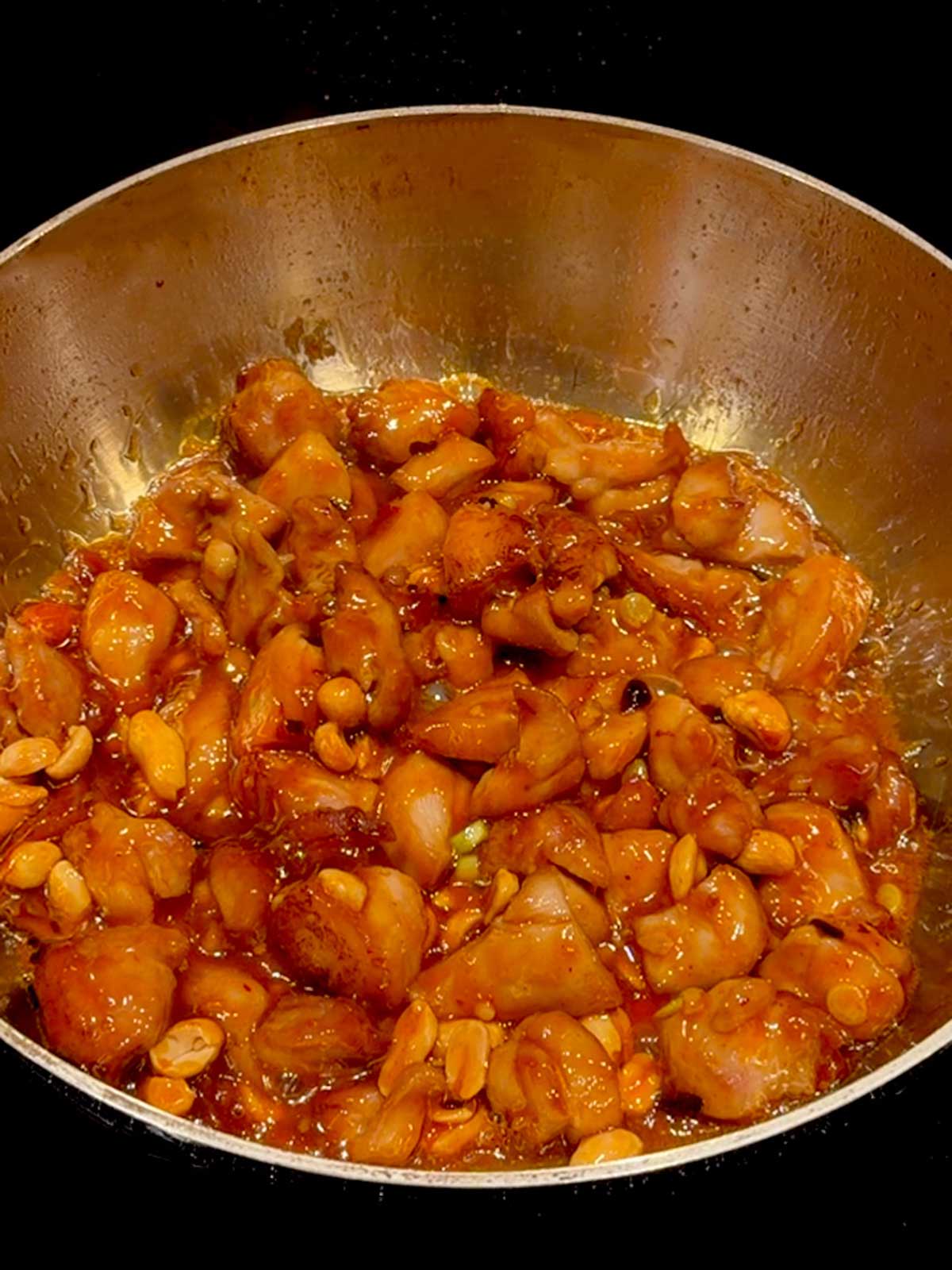
- Finish the Dish: Return the chicken to the pan. Add the peanuts and half of the green onions. Toss briefly, then remove from the heat. Garnish with the remaining green onions and serve.
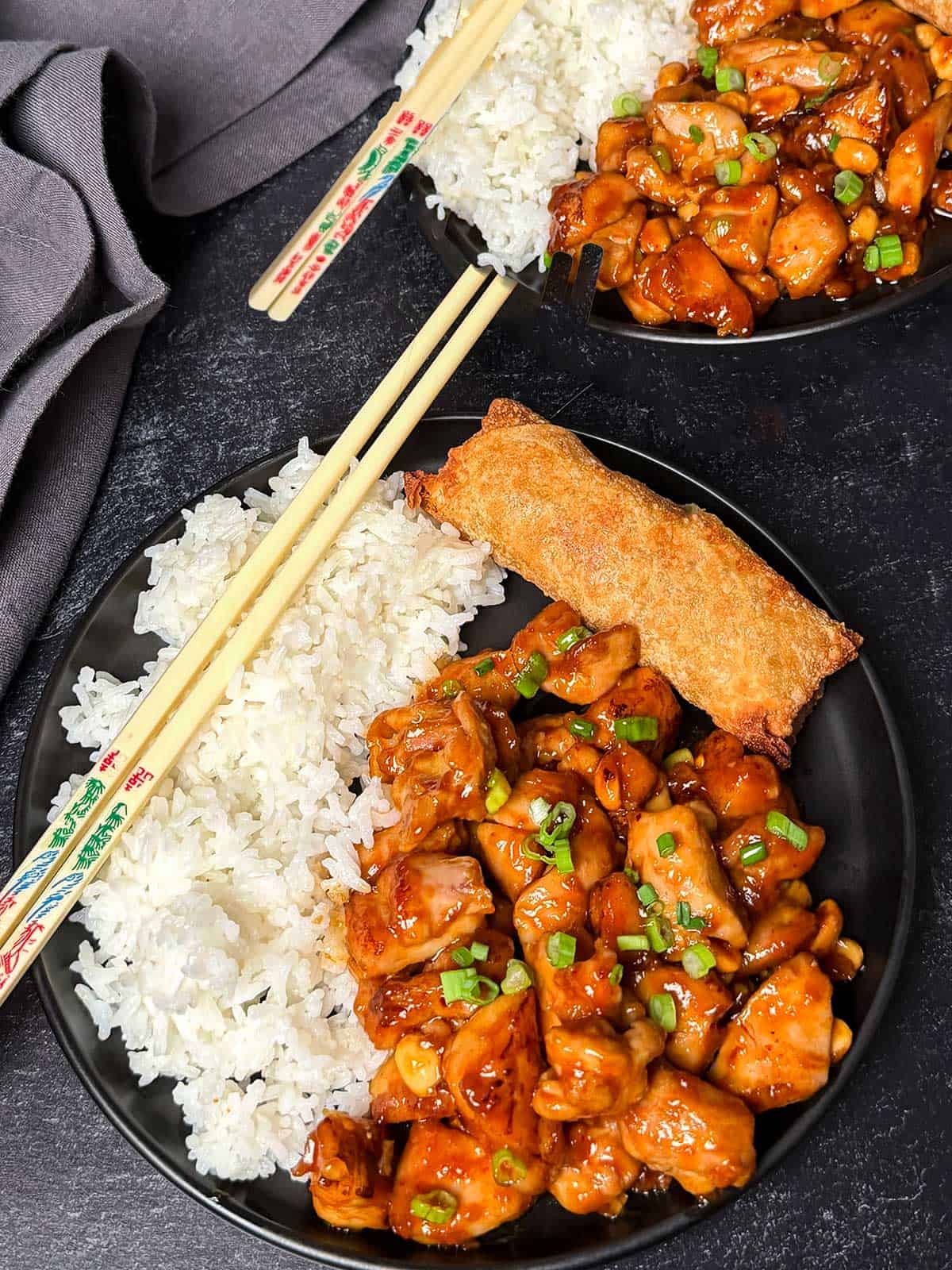
Kung Pao Chicken doesn't need a long list of ingredients or complicated techniques to be restaurant-quality. What it needs is the right sequence, proper heat, and a few thoughtful finishing touches.
By starting with bottled sauce and treating it as a restaurant kitchen would, you get a dish that's balanced, glossy, and amazingly delicious, all in about 25 minutes from start to finish. Yum!
Chula's Test Kitchen Tips
- I started with 1 ¼ pounds of skinless, boneless chicken thighs. By the time I had trimmed the excess fat, I was left with 14 ounces of the chicken.
- The light velveting step is important to add texture to the chicken, not flavor. The sauce adds the flavor.
- I used my large All-Clad saucier to make the Kung Pao Chicken, but I could have used my Wok. While heating the pan, I used my infrared thermometer to verify the temperature before adding the oil and chicken.
- Once the chicken was added to the hot pan, I let it sit undisturbed for 30 to 45 seconds. This allowed the chicken to brown and release naturally from the pan when stirred.
- The crunch in this dish comes from the peanuts, not crispy chicken, so resist the urge to overcook the chicken.
Frequently Asked Questions
Boneless, skinless chicken thighs are ideal because they stay tender and juicy during high-heat cooking.
Chicken breast can be used, but it will not be as tender as the chicken thighs.
No. A large stainless steel skillet or saucier works very well and is more accessible for home cooks.
No. The texture contrast comes from tender chicken, glossy sauce, and crunchy peanuts, not breaded or crispy chicken.
Moderately spicy. However, the heat level is easy to adjust by reducing or eliminating the chili crisp.
The ingredients can be prepped in advance, but the Kung Pao Chicken is best served fresh. Leftovers reheat gently on the stovetop, but might need a splash of water if the sauce thickens too much.
Other Stir Fry Recipes
Did you make this recipe? We'd love to know how it turned out! Leave a review below. Then, share a picture on Instagram and tag @pudgefactor so we can see it.
Don't forget to follow us on Pinterest, Facebook, YouTube, Flipboard, and Instagram.
Thank you so much for visiting PudgeFactor. We hope you'll come back!
Recipe
Want to Save This Recipe?
Enter your email & I'll send it to your inbox. Plus, enjoy weekly doses of culinary inspiration as a bonus!
By submitting this form, you consent to receive emails from Pudge Factor.
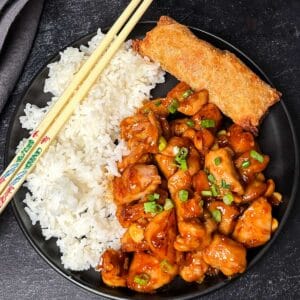
Kung Pao Chicken: Restaurant-Quality the Easy Way
Equipment
- Large stainless steel saucier, skillet, or Wok
Ingredients
Chicken
- 1 ¼ pounds (20 ounces) skinless, boneless chicken thighs, trimmed of fat (See Tip 1)
- 1 teaspoon soy sauce
- 1½ teaspoons cornstarch
- 1½ teaspoons vegetable oil
Sauce and Aromatics
- 1 clove garlic, minced
- 1 teaspoon grated fresh ginger
- ½ teaspoon chili crisp (See Tip 2)
- ½ cup (5 ounces) Panda Express Kung Pao Stir-Fry Sauce
- 1 teaspoon rice vinegar
Finish
- ¼ cup lightly salted dry roasted peanut
- 2 green onions, thinly sliced, divided (See Tip 3)
- 2 Tablespoons Peanut oil (for cooking)
Instructions
Prep the Chicken
- Whisk together the soy sauce, dry sherry, oil, and cornstarch. Set aside.
- Cut the trimmed chicken thighs into 1-inch pieces. Toss the chicken with the soy sauce mixture and let sit at room temperature for 10 minutes,
Cook the Chicken
- Place a large stainless-steel saucier, skillet, or wok over medium-high heat. Heat empby for about a minute. (See Tip 4)
- Add the oil to the hot pan (the oil should shimmer immediately). Add the chicken in a single layer. Do not stir for 30 to 45 seconds to allow the chicken to brown and release naturally from the bottom of the pan.
- Stir-fry the chicken just until cooked through (internal temperature of 165°F) and lightly browned, 3 to 4 minutes total. Remove the chicken to a plate.
Build the Sauce
- Lower the heat to medium. Add the garlic, ginger, and chili crisp. Stir just until fragrant, around 30 seconds.
- Add the Panda Express Kung Pao sauce and vinegar; stir to combine. Simmer gently for 1 to 2 minutes until glossy and slightly thickened.
Finish the Dish
- Return the chicken to the pan. Add half of the green onions and peanuts. Toss to coat for about a minute. Remove from the heat. Garnish with the remaining green onions and serve.
- Yield: 2 to 3 servings. (See Tip 5)
Video
Tips/Notes
- I started with 1 ¼ pounds of skinless, boneless chicken thighs. By the time I had trimmed the excess fat, I was left with around 14 ounces of the chicken
- Can substitute dried chilis for the chili crisp. Add more or less to adjust the desired heat level.
- I like to separate the sliced green onions between the white and light green parts, and the green tops. I use the white and light-green parts to make the dish, and the green tops for the garnish.
- I used an infrared thermometer to measure the temperature in the pan. My target temperature was between 375° and 400°F.
- The Kung Pao Chicken is best eaten fresh. However, leftovers can be stored in an airtight container in the refrigerator and reheated gently on the stovetop or in the microwave.



Leave a Reply